Nature Walk Etiquette & Responsible Dog Ownership
Essential guidelines for outdoor conduct with your dog. Covers leash laws, trail etiquette, wildlife protection, and how to be a respectful fellow trail user.
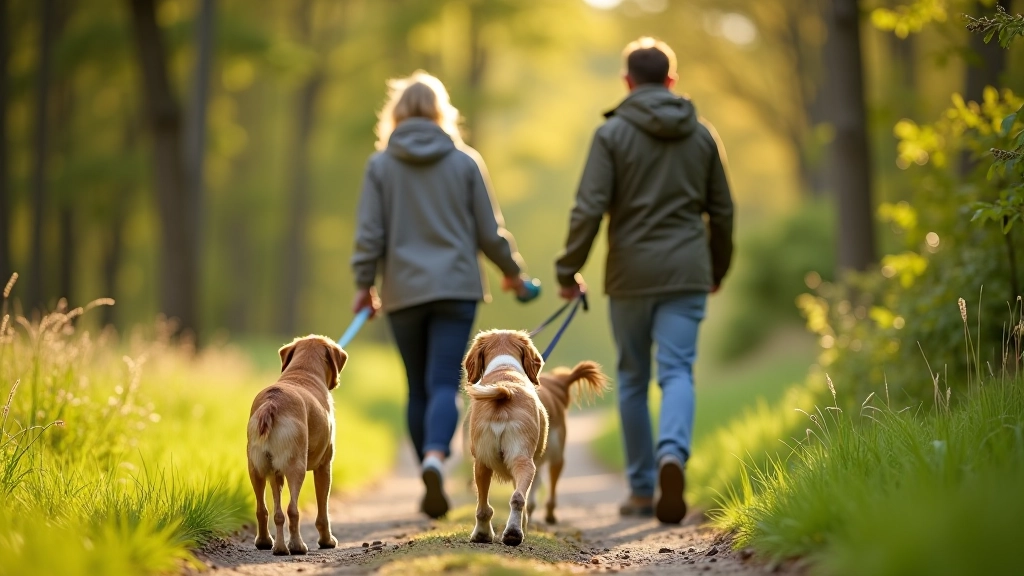

Taking your dog on a nature walk isn’t just about exercise and fresh air — it’s about respecting the spaces we share. We’re all using the same trails, parks, and nature areas. When you’re thoughtful about how you walk your dog, everyone has a better experience.
The thing is, responsible dog ownership in outdoor settings goes beyond keeping your dog close. It means understanding local rules, being aware of wildlife, respecting other hikers, and leaving no trace of your visit. It’s not complicated. Most of it’s just common sense with a few specific guidelines thrown in.
Why This Matters
Dogs that aren’t managed properly on trails create real problems. They disturb wildlife, stress other hikers, and sometimes get injured themselves. On the flip side, responsible dog owners make trails safer and more enjoyable for everyone.
Understanding Leash Laws in Czech Nature Areas
Different areas have different rules. Some protected nature reserves require dogs on-leash at all times. Others allow off-leash walking in designated areas. You need to know before you go.
Most Czech hiking trails and forest areas don’t have strict blanket rules — it’s more about using judgment. But protected areas like national parks and nature reserves? They’re stricter. You’ll find specific regulations posted at entry points or on local websites.
Here’s what you should do: Check the specific location before your visit. Call the local park office if you’re unsure. Better to spend five minutes confirming the rules than to get a fine or, worse, upset other visitors and damage the area’s reputation for dog owners.
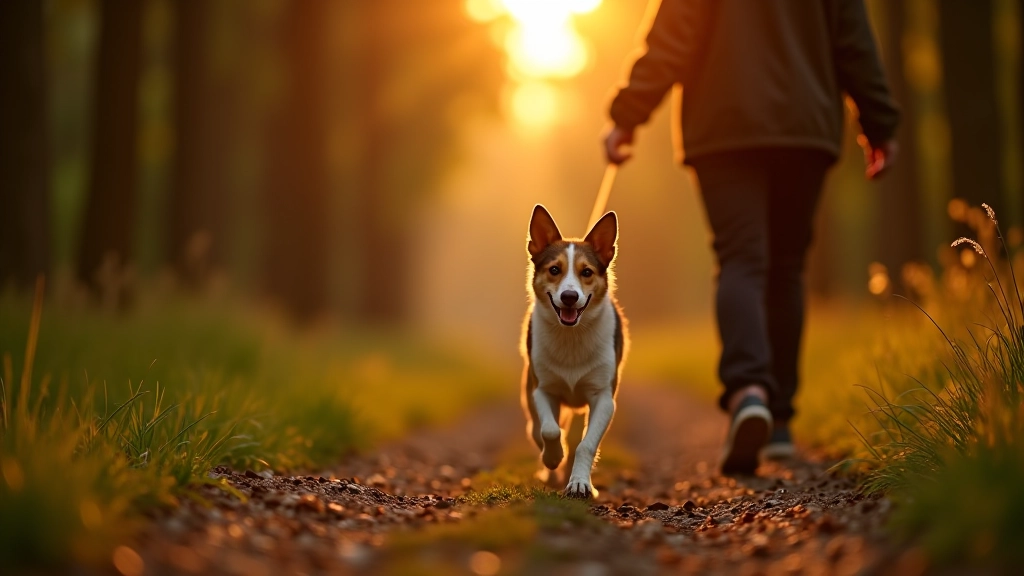
When in doubt, keep your dog on a leash. A well-trained dog can enjoy a walk just as much on a leash as off one — the difference is mainly in your head, not theirs.
Leave No Trace — Including Dog Waste
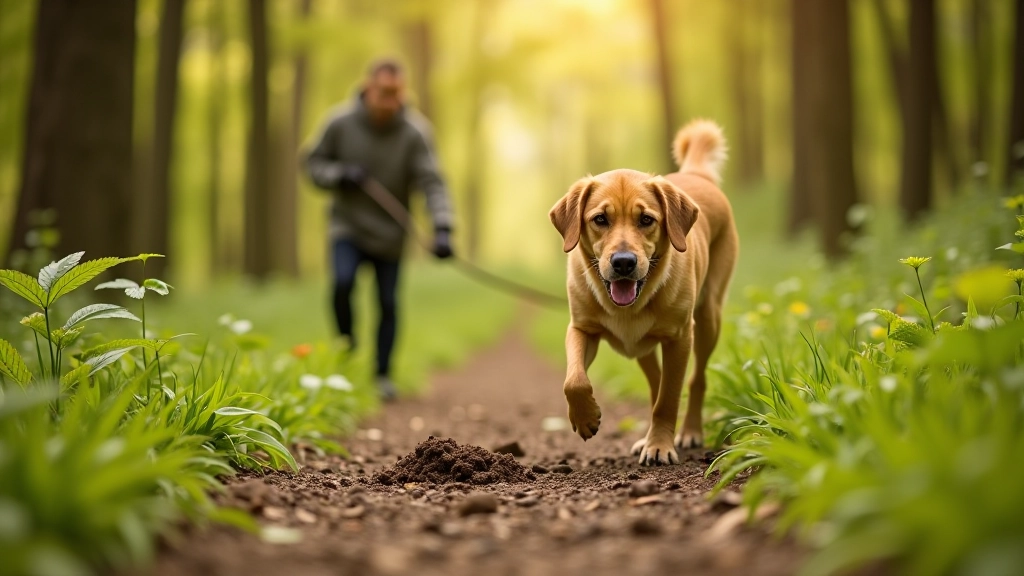
You pack out everything you bring in. That’s the golden rule. It also applies to what your dog leaves behind.
Dog poop on trails isn’t just unpleasant — it contaminates water sources, spreads parasites, and damages vegetation. Don’t leave it. Carry bags, pick it up every single time, and pack it out with your trash. Biodegradable bags are fine — they’ll break down eventually. Regular plastic bags work too.
You’ll notice some people don’t do this. They’re the reason some trail communities have pushed for stricter dog policies. When you do the right thing, you’re actively making the case that dogs belong on these trails. Your behavior influences what’s allowed next year.
It takes 30 seconds and costs nothing. It’s the most basic responsibility of dog ownership in shared spaces.
Important Note
Local regulations vary significantly across Czech regions and specific nature areas. Always check current rules with local park authorities, visitor centers, or official websites before your visit. This guide provides general etiquette principles but doesn’t replace specific area regulations. Different protected areas, nature reserves, and municipalities may have different requirements for dogs.
Protecting Wildlife on Trails
Dogs are predators. That’s not a moral judgment — it’s just biology. Even the friendliest dog can chase or stress wildlife. Protected areas have animals nesting, feeding, and raising young. Your dog’s presence changes their behavior, even if you can’t see it happening.
During spring and early summer, be especially careful. That’s when birds are nesting and mammals are raising young. A dog running through undergrowth can destroy nests or separate mothers from their young. It doesn’t take much.
The best approach? Keep your dog close during these seasons. Use a leash or at least keep your dog within immediate sight and voice control. If you see wildlife — a deer, bird, fox — call your dog back immediately and create distance. Don’t let your dog chase anything.
Respecting wildlife isn’t just ethics. It’s about ensuring these animals can survive and thrive in areas where people recreate. If we want to keep enjoying nature with our dogs, we need to protect the nature part too.
Trail Courtesy & Managing Other Hikers
You’re sharing trails with people who might not love dogs. Some are afraid. Others had bad experiences. Your job is to make them feel safe.
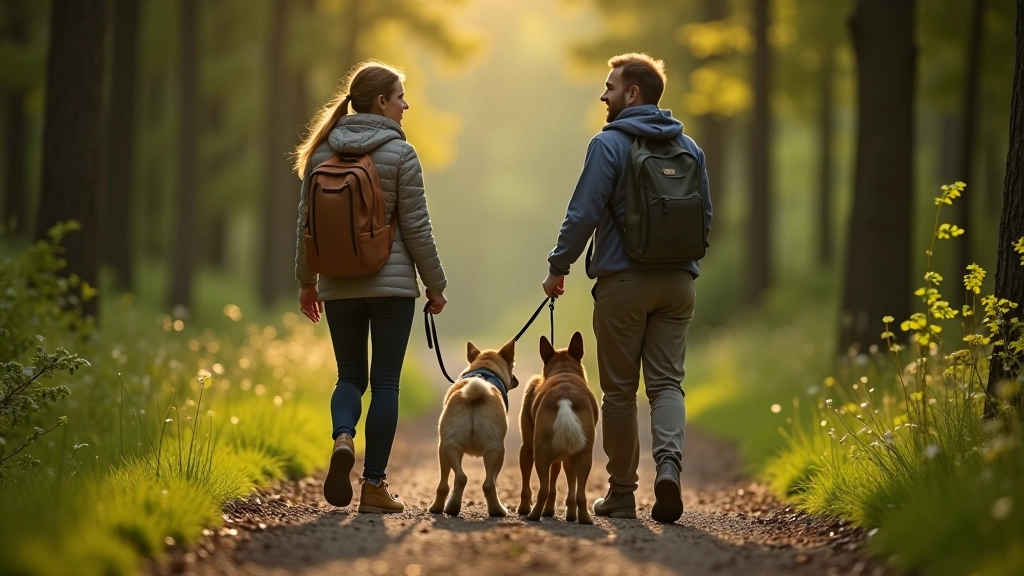
When you see someone coming — whether they have a dog or not — move your dog to the side of the trail and keep them calm. If your dog is off-leash, call them to you immediately and put them on a leash until the other person passes. This takes 10 seconds and makes a huge difference in someone’s comfort level.
If someone looks nervous, don’t say “Don’t worry, my dog is friendly!” Friendly dogs can still scare people. Just leash your dog and create space. That’s the real reassurance.
Parents with kids, older hikers, and people with mobility challenges deserve to use trails without anxiety. Your responsibility as a dog owner is making sure your dog never puts them in that position. It’s not about your dog’s behavior — it’s about everyone’s right to enjoy nature safely.
Being the Dog Owner Others Respect
Responsible dog ownership in nature areas comes down to a few core principles: Know the rules, control your dog, protect wildlife, respect other people, and leave no trace. None of it is difficult. It’s just about being thoughtful and intentional.
When you do this consistently, you’re not just having a nice walk with your dog. You’re building the case for continued access to trails and nature areas for dogs. Every respectful dog owner influences whether the next community keeps dog-friendly policies or tightens them up.
Your dog gets to enjoy these spaces because people like you care enough to do it right. Keep it that way.
Related Guides