
Off-Leash Parks Across Czech Republic
Complete guide to finding and using dog parks where your pet can run free safely. Locations, rules, and what to expect.
Find lakes, ponds, and rivers where dogs can swim safely. Learn water safety tips, recognize dangerous conditions, and prepare your dog for water activities.
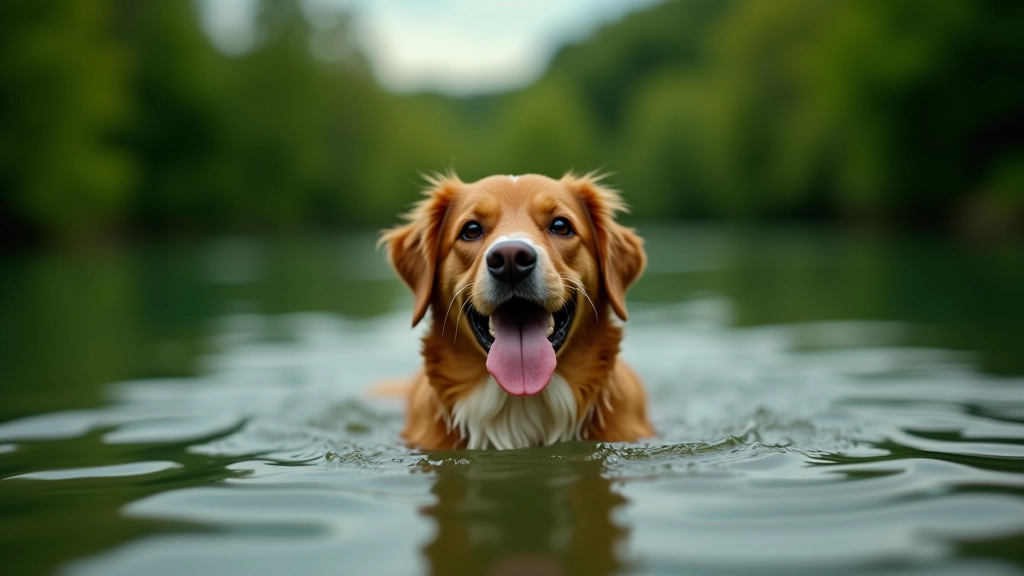

Not every dog is a natural swimmer. We’ve worked with hundreds of owners who thought their dog would love water, but ended up needing real guidance to make it happen safely. The good news? Most dogs can learn to enjoy swimming with proper preparation and the right environment.
Water activities offer amazing physical benefits — low-impact exercise, joint relief, and natural cooling on hot days. But there’s a right way and a wrong way to introduce your dog to water. This guide covers both.
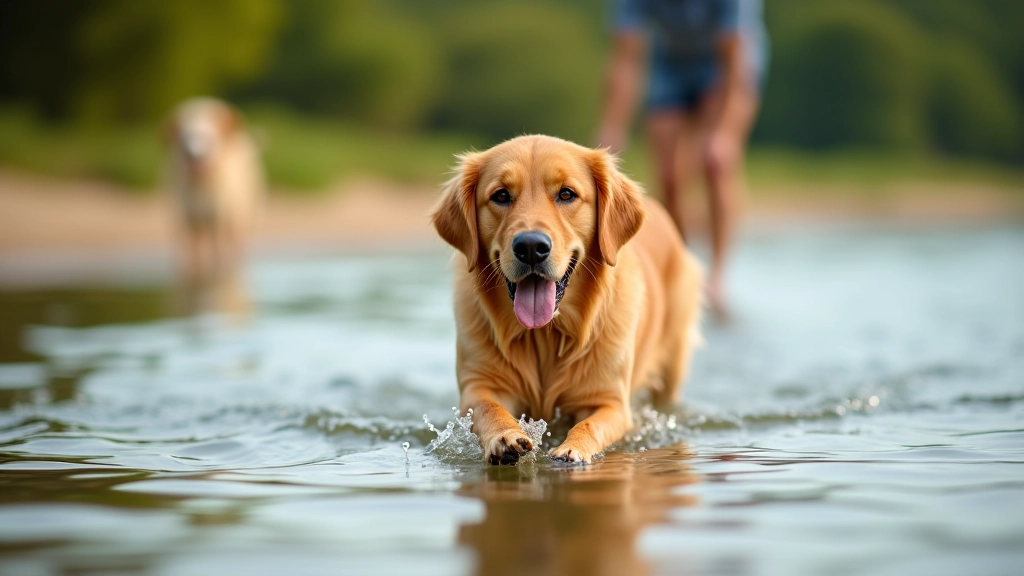
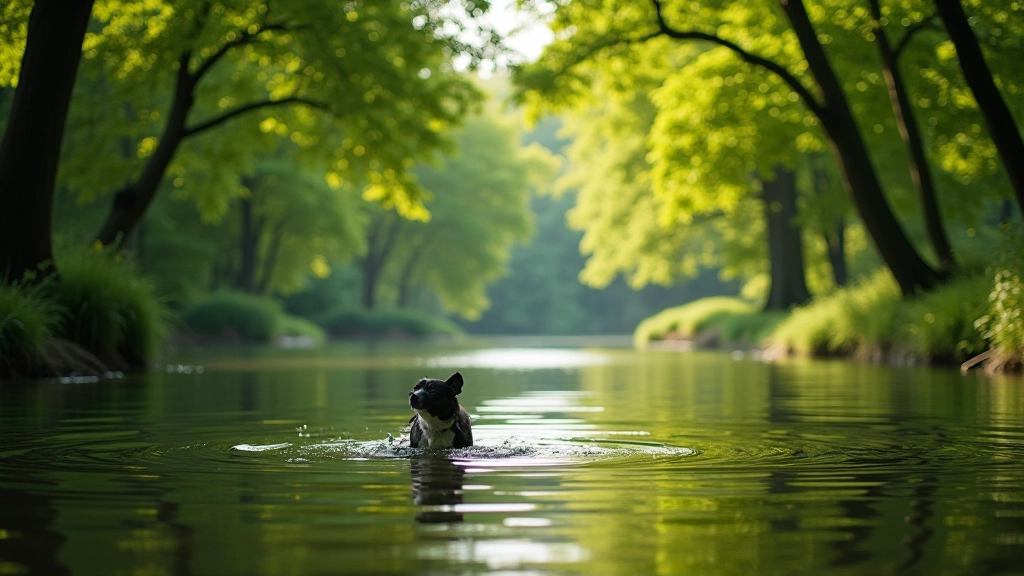
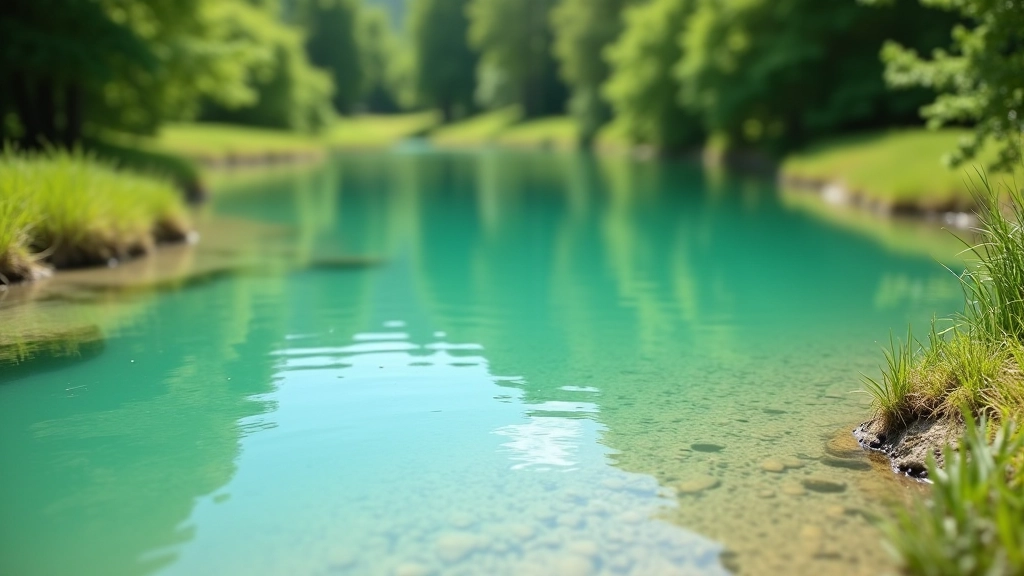
The best swimming locations have a few things in common. You’re looking for calm water, a gentle slope into deeper areas, and ideally some shade nearby. Ponds work better than rivers for beginners. Rivers have currents that can stress anxious dogs. Lakes? They’re hit or miss depending on the specific area.
We’ve tested dozens of locations across Czech Republic. The safest spots have sandy or muddy bottoms rather than rocky ones — easier on paws and less slippery. Also check if the water’s stagnant. Still water that smells bad usually means algae buildup, which isn’t great for dogs’ skin or digestion.
Local dog parks often have designated swimming areas. These are your safest bet. They’re maintained, monitored, and you’ll find other owners dealing with the same challenges you are.
This article provides educational information about dog swimming safety. Every dog is different — age, breed, health, and fitness level all matter. Always consult your vet before introducing water activities, especially for puppies, senior dogs, or those with existing health conditions. Never force a dog into water. Watch for signs of exhaustion, hypothermia, or distress. If you’re unsure about water conditions or your dog’s ability, don’t do it.
Blue-green algae is your biggest concern. It looks like pea soup or paint in the water. Don’t let your dog near it. Seriously. This stuff produces toxins that cause liver damage and can be fatal. We’re not exaggerating — it’s a real problem in summer months.
Strong currents, undertows, and cold water temperature are also risky. If the water’s under 12C, your dog’s at risk for hypothermia even after just 10-15 minutes. Watch for shaking, lethargy, or whimpering. Those are signs they’re getting cold.
Murky water hides hazards — broken glass, sharp rocks, underwater debris. You won’t see problems until your dog steps on them. Clear water is always safer. Also check for leeches and parasites. Some water sources attract them. Your vet can recommend preventative treatments if you’re in an affected area.
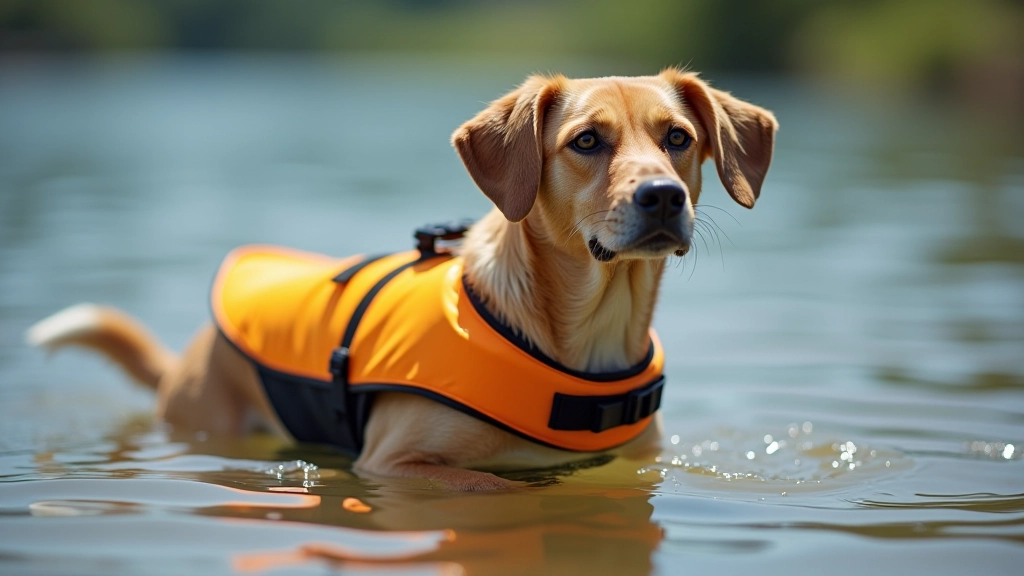
A life jacket isn’t just for anxious dogs. Even confident swimmers benefit from one. It keeps their body temperature stable, makes it easier to lift them out of water if needed, and gives you a handle to grab. Look for jackets with reflective strips — visibility matters if you’re near other swimmers.
Fresh water rinsing is crucial. After swimming, rinse your dog with clean water within 30 minutes. Salt water, chlorine, and bacteria from lakes can cause skin irritation and ear infections. Get into the ears especially — water trapped there breeds infection fast.
Start slow. Don’t throw your dog in and expect them to figure it out. Wade in with them. Let them set the pace. Some dogs take weeks to get comfortable. That’s normal. Positive reinforcement works — treats, praise, play toys. Make it fun, not scary. You’re building confidence, not forcing it.
Begin in water where your dog can stand with their paws on the bottom. Ankle-deep is plenty. Let them explore at their own pace.
Bring favorite toys or treats. Make the experience rewarding. Never scold or force. If they’re scared, that’s okay — stop and try again another day.
Over several sessions, slowly move to slightly deeper water. Only if your dog is comfortable. This builds confidence naturally.
Watch for panting, loss of coordination, or loss of interest in play. Those are signs they’re tired. End the session on a positive note.
Fresh water rinse immediately after. Dry them completely, especially ears, armpits, and between paw pads. Damp skin = infection risk.
Once comfortable, swimming becomes easier each time. Consistent visits build real confidence. Your dog will actually start looking forward to it.
Retrievers and spaniels take to water naturally. Bulldogs and pugs? Not so much — their body shape makes swimming harder. Acknowledge your dog’s natural abilities. Don’t compare.
High jumps into water can cause spinal injuries. Belly flops hurt. Encourage walking or sliding in gradually. Let them wade, don’t jump.
Dogs often swallow water while swimming. Too much can cause bloating or water intoxication. Keep sessions reasonable — 15-20 minutes for beginners.
Before you go in, identify how your dog will get out. Is there a ramp? Sloped beach? Don’t put them in a situation where they can’t exit safely.
Water safety for dogs isn’t complicated. It’s about choosing safe locations, recognizing hazards, and introducing your dog gradually. Most dogs who have bad water experiences had owners who pushed too fast or chose the wrong environment. Don’t be that owner.
Pick a calm, clean spot. Start shallow. Keep sessions short. Watch for signs of stress or exhaustion. Rinse afterward. That’s it. Your dog doesn’t need to be an Olympic swimmer. They just need to feel safe and have fun.
We’ve watched dogs transform from terrified of water to actually requesting it. It happens when owners are patient and consistent. If your dog’s nervous, don’t worry. Take your time. The water will still be there next week.