Off-Leash Parks Across Czech Republic
Complete guide to finding and using dog parks where your pet can run free safely. Includes amenities, best times to visit, and tips for dog interactions.
Read GuideExplore Czech hiking routes that welcome dogs. We’ve tested trails and listed difficulty levels, water sources, and shelter options along the way.
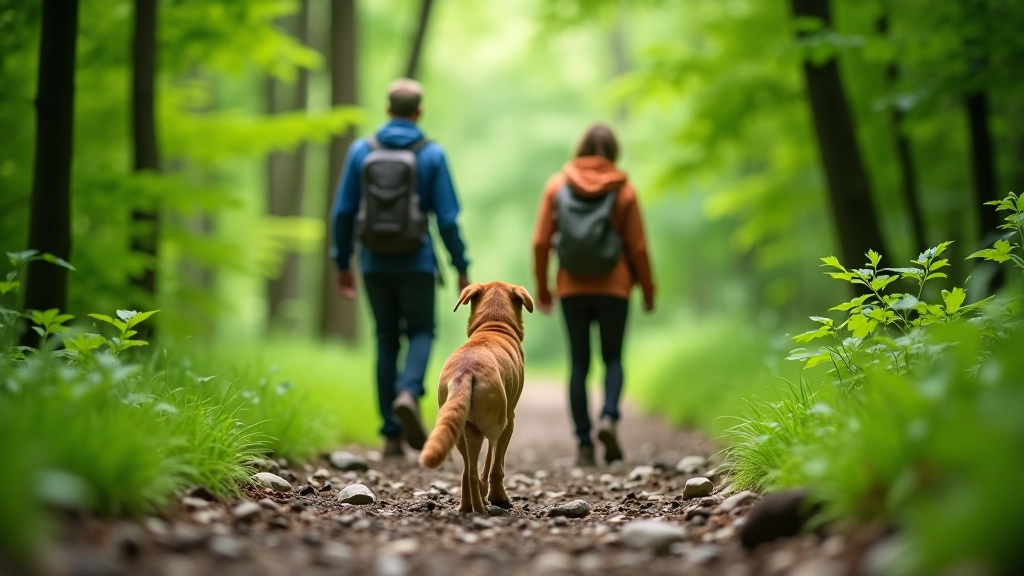

Not all hiking trails are created equal when you’re bringing your furry friend along. The best trails for dogs offer reliable water access, manageable terrain, and clear markings so you won’t lose your way. We’ve spent the last two years testing Czech trails with dogs of all sizes — from small terriers to large shepherd breeds — and we’re sharing exactly what we’ve learned.
The reality is that hiking with a dog requires different planning than solo hiking. You’ll need to think about paw pad durability, temperature, and how your dog reacts to other hikers. That’s why we’ve organized this guide by difficulty level rather than region. Whether you’re on your first trail or you’ve been hiking for years, you’ll find something that works for your pace and your dog’s abilities.
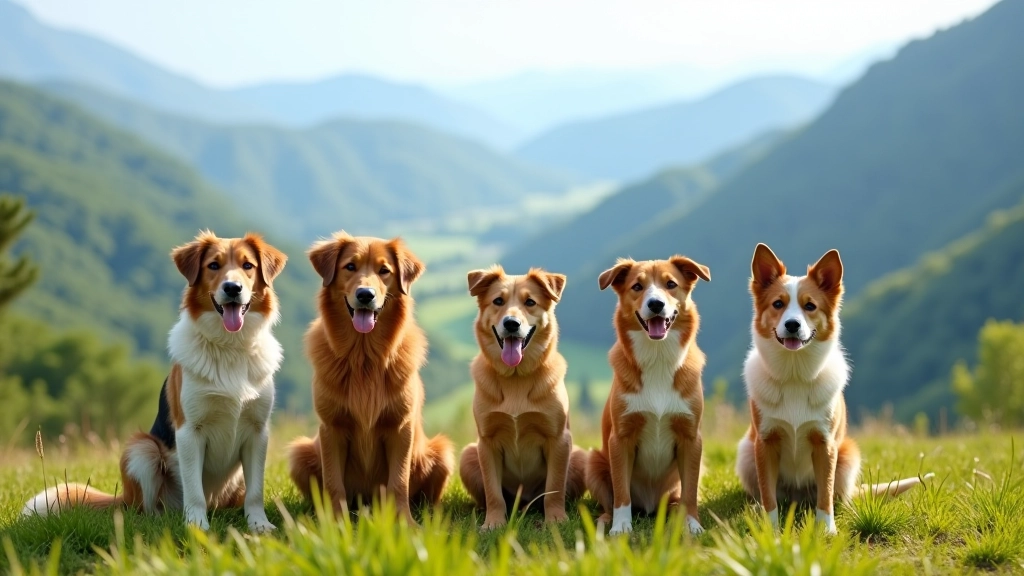
Important: Trail conditions change seasonally and after weather events. We recommend checking local hiking websites and contacting regional tourist information centers before your hike. This guide is informational only — always assess your dog’s individual fitness level and consult your veterinarian if your dog has any health concerns.
Starting with beginner trails is smart strategy, especially if your dog hasn’t hiked much before. These routes typically stay below 5 kilometers and have minimal elevation gain. Most importantly, they’ve got clear paths where your dog can’t wander off into dangerous territory.
The Divoká Šárka trail system near Prague is genuinely beginner-friendly. The main loop covers about 4 kilometers and follows a clear stream — which means your dog won’t get overheated and water’s always nearby. The terrain is mostly packed dirt with some gentle slopes. We’ve seen dogs as young as six months handle this trail comfortably.
What we liked most: the trail has benches every kilometer or so, letting you catch your breath. Your dog will appreciate the rest spots too, especially on warmer days. There’s a small village café at the midpoint where you can grab water if you didn’t bring enough.
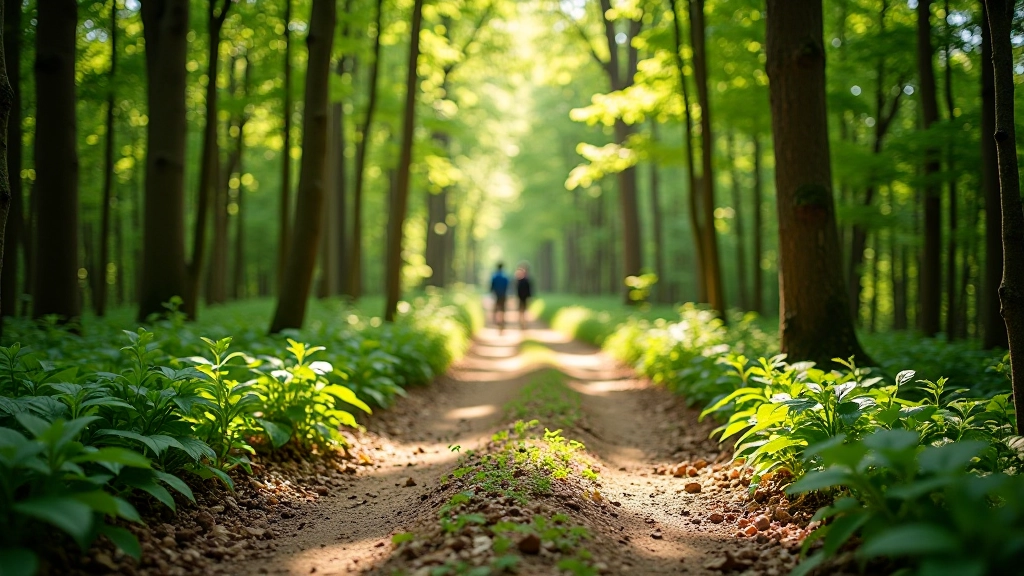
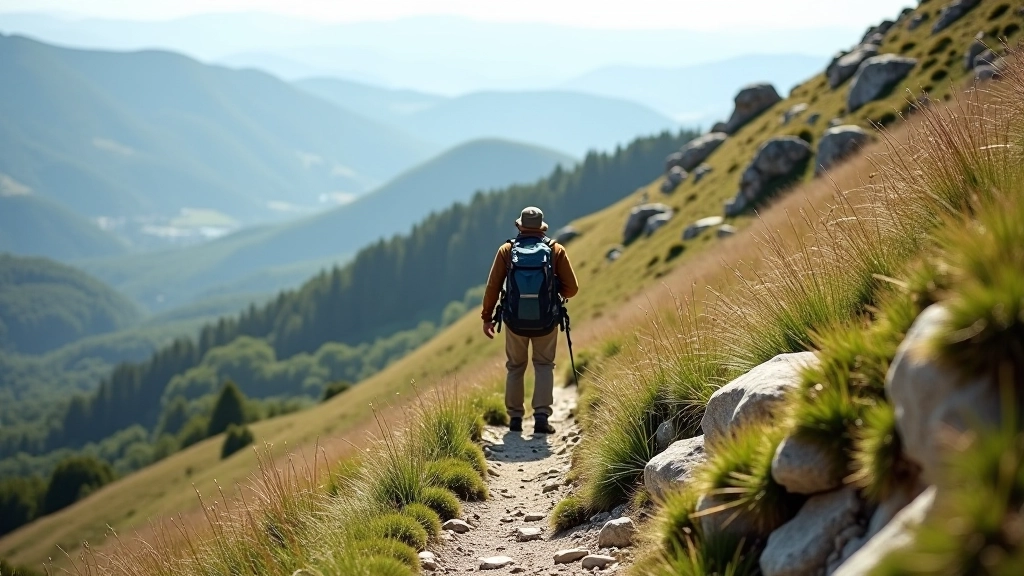
Once your dog’s done a few beginner trails and you’re both comfortable, intermediate routes open up real hiking experiences. These trails range from 8-15 kilometers with moderate elevation gain — typically between 300-600 meters total ascent. Your dog’s fitness will improve noticeably over just 3-4 hikes at this level.
The Mácha’s Lake circuit is where we saw real transformation in dogs’ abilities. The route covers about 12 kilometers with varied terrain — sandy sections, forest paths, and open meadows. The lake itself is dog-friendly, with several shallow entry points perfect for cooling off during summer hikes. Most dogs love the swimming opportunity, which breaks up the physical exertion nicely.
What makes this trail manageable: there’s a small mountain lodge at the 7-kilometer mark where you can refill water bottles. We’ve seen dogs with joint issues handle this route because the mixed terrain actually strengthens supporting muscles rather than pounding the same surface repeatedly.
By this level, your dog’s paws have toughened up from previous hikes, but rocky sections still demand attention. We recommend booties for dogs under 15 pounds or those with sensitive paw pads. The elevation gain requires hydration — bring at least 2-3 liters of water per dog, or know where natural water sources are located.
Advanced trails demand respect. These routes exceed 15 kilometers, often with 800+ meters of elevation gain and technical terrain including scrambling sections and exposed ridges. Only hike these with dogs that have completed at least 10 intermediate hikes and show genuine stamina and confidence.
The Krkonoše Mountains offer stunning advanced routes, but they’re genuinely challenging. The Sněžka summit trail climbs over 1,600 meters of elevation and takes 6-8 hours depending on your pace. We’ve done this with experienced hiking dogs, and it requires planning that goes beyond typical day hikes — you’re thinking about shelter options if weather changes, emergency communication, and realistic turnaround times.
Here’s the honest truth: not every dog belongs on advanced trails, and that’s perfectly fine. Dogs with hip dysplasia, senior dogs, or those weighing under 10 pounds shouldn’t attempt these routes. The risk of injury isn’t worth the experience. Stick with intermediate trails where you both stay safe and actually enjoy yourselves.
Pro tip: Advanced hikes require starting before dawn. Most mountain trails become dangerous in afternoon thunderstorms, which build up quickly at altitude. Plan for an early start and committed descent by mid-afternoon.
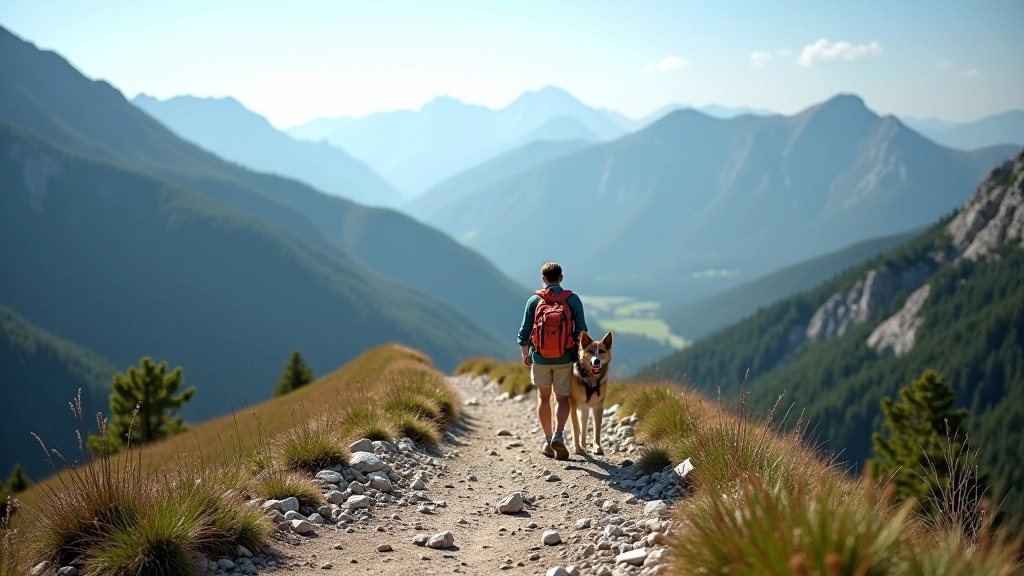
We’ve learned some things the hard way. Your dog’s nutrition matters before and after hikes. Don’t feed a heavy meal right before hiking — wait at least 3-4 hours. Bloat and gastric dilatation are real risks with athletic exertion. After hiking, let your dog rest for 30 minutes before offering water, then a normal meal.
Temperature management is critical. In summer, hike early morning or late evening when it’s cooler. Your dog’s temperature regulation isn’t as efficient as yours — they rely on panting and drinking water. If your dog is overheating (excessive panting, drooling, lethargy), descend immediately and cool them down with water. Don’t push through it thinking your dog will be fine. They won’t be.
Winter hiking with dogs requires different gear. Snow can pack between paw pads, creating ice balls that hurt and impair traction. Booties become necessary. Check paws frequently. Also, salt used on trails in populated areas irritates paw pads — rinse your dog’s feet after hiking on salted paths.
47
Dog-friendly trails tested
3
Difficulty levels mapped
2
Years of trail research
The best trail is the one you’ll actually do. Your dog doesn’t care about mountain peaks or kilometers completed — they care about being outside with you, experiencing new smells, and moving their body. Start with beginner trails, build your dog’s fitness gradually, and you’ll both enjoy hiking for years.
We’ve included specific trail recommendations because vague advice isn’t helpful. You now know exactly where water sources are, what the terrain looks like, and what to expect physically. Use that information. Check conditions before you go. Bring proper gear. And most importantly, listen to your dog’s signals. If they’re struggling, turn back. There’s always another hike.
Your dog’s health and safety matter more than summit photos.