Common Questions About Dog-Friendly Czech Outdoors
Everything you need to know about off-leash parks, hiking trails, swimming spots, and responsible outdoor etiquette
Off-leash parks (called “psí park” locally) are designated areas where dogs can legally run without a leash under your supervision. Regular parks usually require leashes at all times. Most Czech cities have at least 3-5 certified off-leash parks with fenced areas, separate zones for small and large dogs, and amenities like water stations and waste disposal.
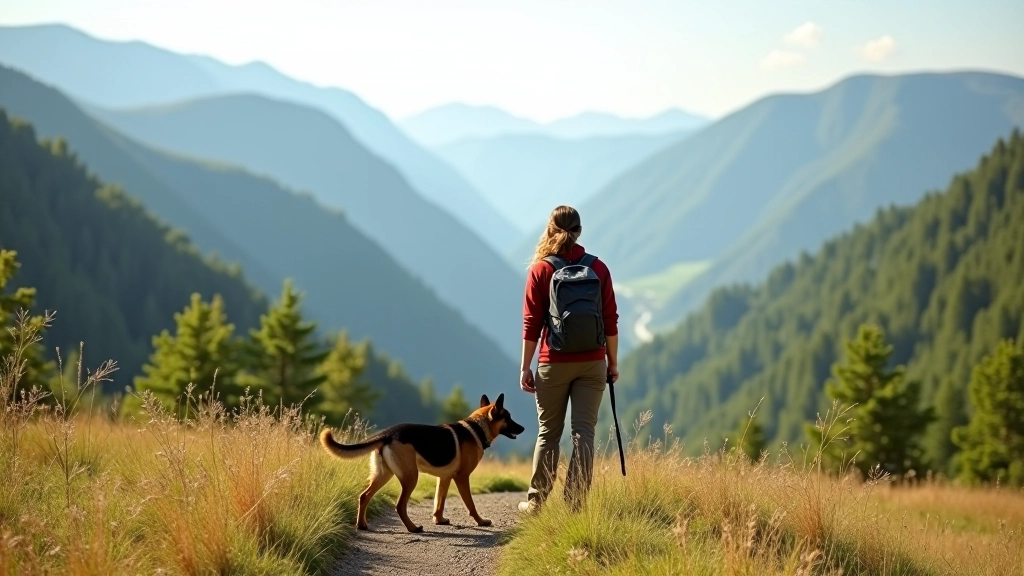
Most Czech hiking trails welcome dogs, but leash requirements vary by region and season. National parks like Šumava and Krkonoše have specific leash zones during nesting season (April-June). We recommend checking the trail’s official website or contacting the local ranger office before your visit—some protected wildlife areas do restrict dogs entirely.
Czech lakes and rivers like Vltava near Prague, Máchovo Lake, and the Sázava River are popular dog-friendly swimming areas. However, many public swimming pools and beach resorts don’t allow dogs during peak season. We’ve mapped out over 20 safe, accessible swimming spots across the country with varying water conditions and crowd levels.
Always keep your dog on-leash in shared trails, pick up waste immediately, avoid disturbing wildlife, and respect “no dogs” signs. In off-leash areas, maintain voice control and keep your dog within sight. Stay on marked trails to prevent erosion and damage to protected vegetation. Our etiquette guide covers seasonal considerations—like avoiding ground-nesting birds in spring.
Start with shorter 5-10 km walks to build conditioning gradually. Watch for signs of fatigue: excessive panting, lagging behind, or reluctance to continue. Puppies under 12 months and senior dogs should stick to easier trails. Breed matters too—short-nosed breeds like Bulldogs tire faster in heat.
Bring plenty of water (aim for 30-50ml per kg of body weight), portable food bowls, treats, a basic first-aid kit, waste bags, a lightweight leash or long line, and a collar ID. In warmer months, pack a cooling mat. Consider paw protection if trails are rocky—booties can prevent injuries on rough terrain.
Still Have Questions?
Our team is here to help you plan the perfect dog-friendly adventure. Get in touch for personalized recommendations based on your location and dog’s needs.
Contact Us